Posts
Hello, Ayotovites 👋 You all know that I am a graduate student at RTU MIREA (those who did…
July 6, 2025 at 8:29 PM•Max Knyazev is typing…Telegram mirror
Hello, Ayotovites
👋
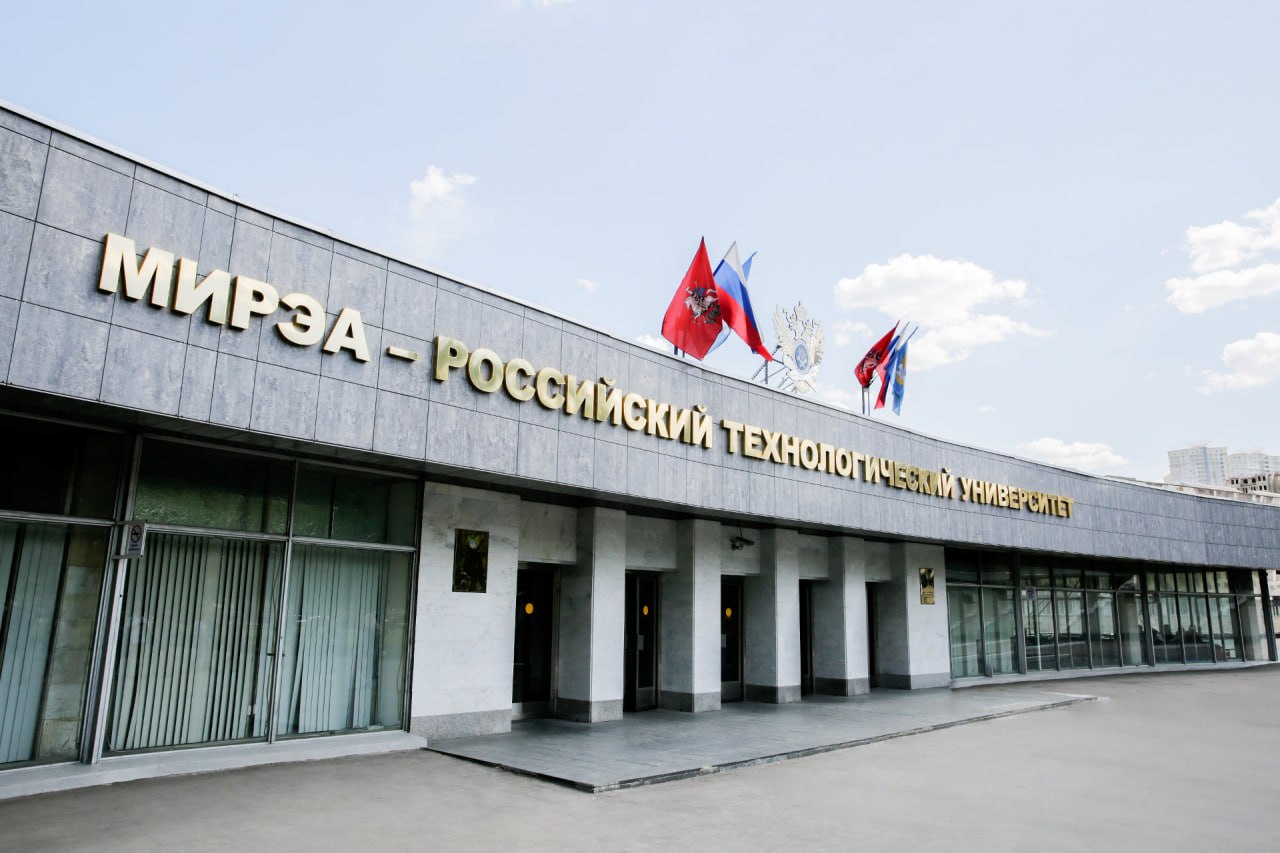
You all know that I am a graduate student at RTU MIREA ( those who didn't know just found out about it ). So here it is
⤵️
The most interesting thing is that my colleagues deliberately abandoned the blockchain. Yes, the same one that everyone usually talks about when it comes to distributed systems, Web3 and digital reliability. They used it instead Directed Acyclic Graph (DAG)
🤯
Let me explain a little simpler
🧐
Blockchain runs sequentially. DAG - parallel. In a DAG, there is no need to wait for a block to complete, no need to mine, no need to chain transactions sequentially. Everything happens asynchronously and simultaneously. This structure allows you to process a huge number of requests and is ideal for a world where you have not one laptop, but millions of sensors, speakers and smart vacuum cleaners
👍
Of course, DAGs have their problems. Protocols can be partially centralized, security is more difficult to monitor, and in general, there are fewer tools for such an architecture than for blockchain. But in terms of scalability it is objectively stronger
💯
And most importantly, this is not just a theory. There are a lot of possibilities here, from controlling drones and smart cities to heavy game engines and real-time applications. Right now, such projects are already appearing, but I have not yet seen a truly large-scale application of DAG. Maybe this time it will change?
🧐
For me personally, this is not just a victory for one team - it is a good example of how you can look at a problem from a different angle. In graduate school, my colleagues and I discuss a lot about the fact that traditional technologies are not suitable for IoT. And here it is, a real alternative
😅
I hope that the next step will be to create a normal opensource framework on top of DAG. Because if we want something real, we need not only architecture, but also SDK, monitoring tools and, oddly enough, UX for developers
🤓
#internet_things
Open original post on TelegramYou all know that I am a graduate student at RTU MIREA ( those who didn't know just found out about it ). So here it is
Russian scientists have developed an architecture that can control a billion IoT devices. The absence of failures and consistency of operation will be ensured by directed acyclic graph technology, which is distinguished from the popular blockchain by high throughput and transaction processing speed. The new IoT architecture, according to sources, was developed by experts from RTU MIREA
(C) Natalya Solovyova, IT World
The most interesting thing is that my colleagues deliberately abandoned the blockchain. Yes, the same one that everyone usually talks about when it comes to distributed systems, Web3 and digital reliability. They used it instead Directed Acyclic Graph (DAG)
Let me explain a little simpler
Blockchain runs sequentially. DAG - parallel. In a DAG, there is no need to wait for a block to complete, no need to mine, no need to chain transactions sequentially. Everything happens asynchronously and simultaneously. This structure allows you to process a huge number of requests and is ideal for a world where you have not one laptop, but millions of sensors, speakers and smart vacuum cleaners
Of course, DAGs have their problems. Protocols can be partially centralized, security is more difficult to monitor, and in general, there are fewer tools for such an architecture than for blockchain. But in terms of scalability it is objectively stronger
And most importantly, this is not just a theory. There are a lot of possibilities here, from controlling drones and smart cities to heavy game engines and real-time applications. Right now, such projects are already appearing, but I have not yet seen a truly large-scale application of DAG. Maybe this time it will change?
For me personally, this is not just a victory for one team - it is a good example of how you can look at a problem from a different angle. In graduate school, my colleagues and I discuss a lot about the fact that traditional technologies are not suitable for IoT. And here it is, a real alternative
I hope that the next step will be to create a normal opensource framework on top of DAG. Because if we want something real, we need not only architecture, but also SDK, monitoring tools and, oddly enough, UX for developers
#internet_things
Discussion
Comments
Comments are available only to confirmed email subscribers. No separate registration or password is required: a magic link opens a comment session
Join the discussion
Enter the same email that you already used for your site subscription. We will send you a magic link to open comments on this device
There are no approved comments here yet